


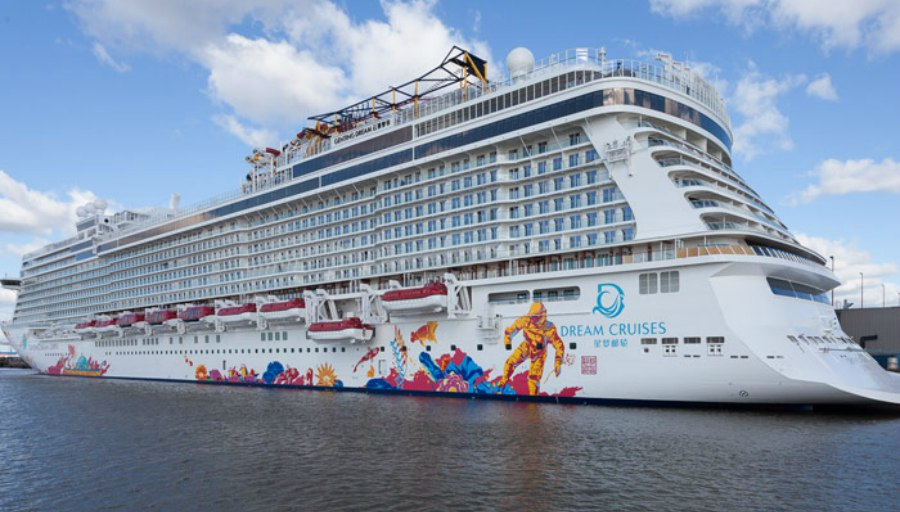
On 3 September 2025, the Genting Dream — on a three‑night voyage from Singapore to Phuket — spotted a man signalling for help in the Straits of Malacca. His small vessel had suffered engine failure and he was adrift at sea. The cruise ship’s crew rapidly launched rescue procedures, brought the man aboard, gave him food, refreshments and a medical assessment, and he is now in stable condition.
This event underscores how quickly a routine voyage can turn into an emergency situation — and how vital it is for individuals, vessels, and organisations to be prepared with the right survival equipment and mindset.
Why survival equipment matters
1. Emergencies happen — even when you least expect them
The stranded person’s boat experienced engine failure and ended up adrift in busy shipping lanes.
Had he lacked signal‑capability, life‑sustaining kit, or means of alerting others, the outcome could have been far worse. Survival equipment isn’t just for “wild” or extreme scenarios — it’s for when things go wrong in everyday settings.
2. Time‑is‑critical
When you’re adrift or disabled at sea, you’re at the mercy of wind, currents, exposure, dehydration, and the risk of collisions or capsizing. The faster you can signal for rescue, stabilise your condition, and stay alive until help arrives, the better your chance of survival. The Genting Dream crew launched the rescue within minutes of noticing the distress.
Having proper equipment (flotation, signalling tools, emergency ration, etc.) can buy you that crucial time.
3. Communication and signalling matter
In the incident, the man was seen “signalling for assistance”.
Survival equipment that enables you to draw attention — such as flares, a whistle, mirror, radio, EPIRB (emergency position indicating radio beacon) or satellite communicator — can mean the difference between being seen or overlooked. Without it, you may be invisible in the vastness of the sea.
4. Basic needs still count
Rescue isn’t just about being plucked out of danger; it’s also about surviving until that moment. The rescued individual was provided with food, water and medical care once aboard.
In many survival situations you’ll face exposure (cold/hot), hunger, thirst, injury or illness. Having basic supplies — water, food, first‑aid, shelter or protection from the elements — improves your resilience.
5. Risk‑mitigation isn’t just for big ships
While large vessels like the Genting Dream may have full rescue capabilities, smaller craft (fishing boats, leisure craft, kayaks, etc) often do not. The lone boater stranded at sea may have lacked the resources a cruise ship carries. This emphasizes how each individual or smaller vessel should carry their own survival kit — not rely on someone else always being nearby.
6. Peace of mind and responsibility
Having survival equipment isn’t just about you — it’s about your passengers, your crew, your family, your fellow travellers. The Genting Dream’s operator emphasised that “ensuring safety at sea is our foremost duty”.
Whether you’re going on a sea voyage, hiking in the back‑country, or doing any risky activity, being equipped means you’re accepting responsibility, reducing risk, and showing that you’ve prepared for the “what if”.
What survival equipment should you consider?
Depending on your environment (sea, mountains, wilderness, urban disaster), your kit will vary. But key items include:
- A reliable flotation device (life jacket, buoyancy aid)
- Signalling gear (flares, whistle, mirror, radiocommunicator, satellite beacon)
- Source of light (headlamp, torch) and means of making a fire or warmth if relevant
- First‑aid kit & basic medications
- Water & food rations (high‑energy, non‑perishable)
- Shelter/protection: blanket, emergency bivvy, rain/wind protection
- Navigation/communication: GPS, map, compass, phone/satellite device
- Tools: multi‑tool, knife, duct tape, waterproof container
- Spare batteries/power bank if using electronics
- Knowledge: equipment is only as useful as your ability to use it.
Lessons from the Genting Dream incident
- The fact that a cruise ship rescued a solo boater emphasises that things can go wrong even in relatively “safe” zones.
- Quick detection and action matter: the crew spotted the distress, launched rescue within roughly 30 minutes.
- The presence of trained crew, medical team and institutional protocols made the difference. For individuals, you are often your own “crew” — so your equipment, preparation and mindset matter even more.
- Even though the Genting Dream was not the one with the malfunction, its readiness to assist highlights how systemic preparedness helps – but you should also prepare independently.
Final thoughts
The sea is unforgiving. So are mountains, deserts, jungles, or even urban disasters. The story of the Genting Dream’s successful rescue is inspiring, but it also reminds us that you don’t want to need to rely on someone else to save you because your boat broke down, your engine failed, your trail got lost, your power went out.
Having survival equipment is not about expecting the worst — it’s about preparing for it. Because when the unexpected happens, your gear, your alertness, your decisions — maybe your kit — may make the difference between a close‑call and a tragedy.
Would you like a checklist of survival equipment tailored for sea journeys (or for land wilderness)? We can put one together with recommended gear and budget options.
Sources:
https://www.travelweekly-asia.com/Cruise-Travel/Genting-Dream-rescues-lone-person-adrift-at-sea
https://www.channelnewsasia.com/asia/man-rescued-straits-malacca-crew-genting-dream-cruise-5330556